Artificial Environment Intelligent Control Technology
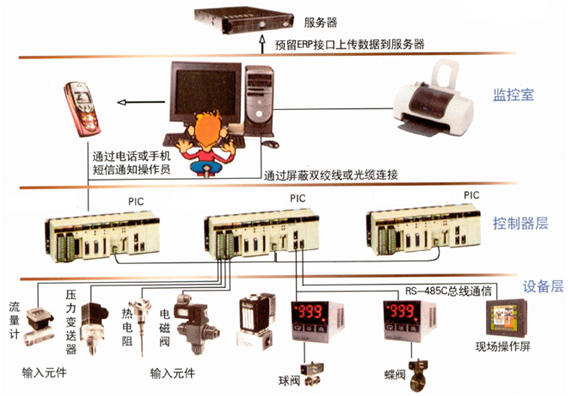
With the rapid advancement of microprocessors, computers, and digital communication technologies in recent years, computer control has expanded into virtually every field. Not only does it meet the diverse needs of production with its excellent performance, but it also integrates communication technology with information processing technology, becoming a multifunctional controller with process control capabilities, data storage and processing functions, and networking communication capabilities. In a PLC-based control system, the PLC typically serves as the lower computer, performing tasks such as data acquisition, status determination, and output control. The upper computer handles the storage and analysis of acquired data, facilitates human-machine interface interaction, and manages print output to enable real-time monitoring of the system. This control system fully leverages the respective strengths of IPCs and PLCs, achieving complementary advantages.
Our LT/ACR2002 Artificial Environment Simulation Lab Monitoring and Control System primarily consists of four major components: IPC control system, the PLC control system, the data acquisition sensors, and the control actuator system.
The control and regulation of indoor environmental parameters in artificial climate simulation are achieved through the air supply system and the automated control system. The automated control system is developed and designed by the Company, enabling computer-based automatic inspection, recording, and control. The control of the artificial environment automated control system employs PID algorithms.
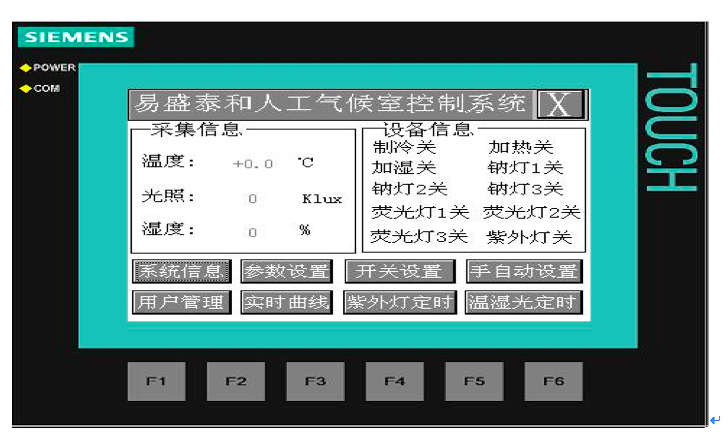
An IPC is selected as the host machine, an LCD touchscreen as the man-machine interface, and C as the software development platform. Leveraging its robust graphics processing, data handling, and communication capabilities, the control system exchanges data with the PLC to accomplish real-time monitoring tasks. It also stores report data, alarm logs, and graphical files. Its powerful functions include user login, real-time online system monitoring, parameter configuration and viewing, alarms, real-time curves, historical curves, reports, printing, and more—all operable via the touchscreen. The interface can be customized according to user requirements.
Simulation of the artificial environment automated control system: Computer-based automated monitoring enables surveillance of natural environmental parameters essential for experiments, including indoor temperature, humidity, light intensity, carbon dioxide concentration, rainfall, and wind speed. Utilizing artificial intelligence technology, the system automatically controls the operation and maintenance of artificial environment equipment. It continuously stores and records parameter data along with corresponding curve changes, featuring alarm notifications. This facilitates unmanned operation management, reducing operational and production costs.
Scale of the artificial environment automated control system: With the rapid advancement of microprocessors, computers, and digital communication technologies, networked management and hierarchical control have emerged. A single upper computer can serve as the master controller, utilizing a network as the connecting link. This system integrates the four C technologies: Computer, Communication, CRT Display, and Control. Its fundamental principles are decentralized control, centralized operation, hierarchical management, flexible configuration, and convenient configuration.
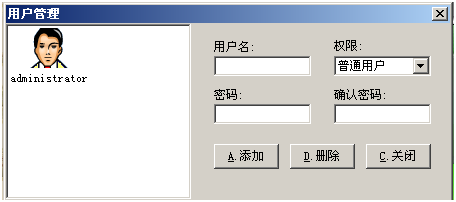
Man-machine Interface of the artificial environment automated control system: Comprising two components. One is the control room where monitoring personnel oversee lab conditions via monitors on the upper computer. In case of anomalies, immediate corrective actions can be executed from the control room upper computer. The other are touchscreens installed at the entrance of each corresponding lab. These touchscreens allow manual operation to set relevant parameters within the lab. The touchscreens feature hierarchical password management, preventing unauthorized personnel from operating the system and thereby avoiding accidental operation by unauthorized individuals that could cause unnecessary losses.
Control Modes for the artificial environment automated control system: automatic control and manual control
Simulation mode of the artificial environment automated control system: The system operates according to preset control programs, continuously monitoring the lab environment in real-time 24 hours a day. It records and stores real-time curves, and can output reports and alarm information for each time period via printer. This data serves as experimental reference for personnel.
Alarm modes of the artificial environment automated control system: 1) Sound and light alarms alert monitoring personnel and store alarm information on the upper computer; 2) Alarms are promptly sent via text message to relevant personnel's mobile phones to request assistance; 3) Alarms are directly displayed on the host computer to seek remote assistance and resolve the alarm issue directly.